



Data is your compass in e-commerce—but only if you know how to read it. Pinny Gniwisch, my guest on today’s show, spent over a decade building Ice.com into a revolutionary force in online jewelry sales. As founder and EVP of Business Development, he helped transform how consumers buy jewelry and shaped the evolution of modern ecommerce itself. He’s served on the board of Shop.org, consulted for Cirque du Soleil, and currently leads business strategy at Delmar International.
In our conversation, Pinny shares the real story behind Ice.com’s journey from dot-com bubble survivor to 75-million-dollar success. We discuss his transition from rabbi to internet marketer and what those worlds have in common. He explains why listening to data beats following trends, how his team turned around a failing product launch in 24 hours by examining impression metrics, and why gut instinct remains as critical as artificial intelligence.
Pinchas breaks down the difference between customer acquisition and customer retention, why influencer culture burns out, and how Kabbalah principles apply directly to business decisions. We explore the concept of business as a spiritual practice, the dangers of the slippery slope in deception, and why humility creates space for that still-small voice that guides the best decisions. So without any further ado, on with the show!
In This Episode
- [05:17]- Pinny Gniwisch shares insights on the early days of ice.com, including their unique marketing campaign and the impact of the dot-com bubble.
- [07:39] – Pinny reflects on the lessons learned from the transition, including the importance of data-driven decisions and the challenges of integrating traditional advertising with digital marketing.
- [15:48] – Pinny discusses the importance of data in making business decisions, using an example of a customer who was not selling a product because it was not visible on their website.
- [22:32] – Pinny talks about the insights on the spiritual aspects of business, including the importance of humility and listening to the internal voice.
- [29:59] – Pinny disseminated examples of ethical business practices.
- [37:57] – Pinny emphasizes the importance of customer retention over customer acquisition and the challenges of maintaining a consistent brand presence.
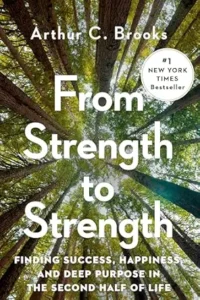
- [42:36] – Pinny recommends books like From Strength to Strength by Arthur Brooks and The War of Art by Steven Pressfield, which have influenced his thinking.
Penny, it’s so great to have you on the show.
It’s so great to be here. Thank you.
So let’s talk about how we know each other. It was way, way back, and what you were up to back then, and how that has changed so dramatically to what you’re doing now, like back in the day, over a decade, decade and a half ago, I think when we met, you were a board member of shop.org, you were a speaker there. I was also a speaker. And we met in the conference circuit.
You would also go to, like, online retailers and other e-commerce conferences. And we keep seeing each other, and we have become friends. You were a professor back then as well, but ice.com was your main gig. And everyone in e-commerce knew about ice.com. It was just a shining star, a great example of how to do things right in e-commerce, building a brand, building customer loyalty, doing great internet marketing, et cetera. So you’re in a bit of a different spot. Now what happened? Let’s talk about what got you to where I just kind of described, and then where you went after that.
So I think the beginning of the internet was 1999, when everything else was starting. You had Amazon and a few other e-commerce sites. We decided that the best product to sell online was jewelry. So you have small boxes, cheap shipping, great margins, until recently, but in 1999, you were the first player online. You could spend money on marketing tests, learn and create the rule book for the future of e-commerce, and meet me at all the conferences, knowing the guru of SEO for us, for me, it was an honor. I mean, I remember us going to this kosher place in Australia, or it was South Africa, somewhere remote.
Connection to the infinity by listening comes from the empty vessel. Listening to yourself, turning down the scroll on social media, and taking moments of meditation are the keys to business, but most importantly, to happiness. Share on XThat was, uh, Australia, yeah,
It was Australia, yeah, I remember that. And it was like, I was turning to the other speakers, I’m saying, like, “who wants to come eat? And you were like, “Oh, come. So for me, getting to know people on a personal level in that professional setting was very touching and moving, and I think that’s what sets you apart from many of the people involved at that time. But back to our business. So we launched our business in 1999, and we got funding from a company called Idealab, which at that time. I founded the precursor to Google. They’re the inventors of the whole pay-per-click.
Yeah, it was an overture. Was it called GoTo at one point? I think
Could be.
Yeah, GoTo, and then the Overture, and then that got bought by Yahoo or was it Google?
I think it was Yahoo.

Exactly. So Bill Gross invested in us. We sent him an email, code, saying, “We’re a jeweler. Started in Canada.” We were on jewel.com at the time, and we ran a really unique campaign where the banner said ‘free pearl necklace,’ and in the bottom corner, it just said ‘shipping and handling’ for $4.95. And in our belief in 1999, the biggest sort of hesitation for people shopping online was giving their credit card, but if they were paying for shipping and handling, our theory was that it worked, that they wouldn’t think about giving their credit card online.
And we launched the campaign, and within two days, we had 125,000 signups or pearl necklaces given away. So when we came to build gross with 125,000 customers, it was all about eyeballs. So he was very excited, and he invested in us. And then, fast forward two years: the .com bubble. We were part of this whole idea that Bill Gross had to compete with Amazon, so he bought a bunch of companies for 800 million. He was going to put them all under one umbrella, calling it big .com, but it didn’t work. The .com bubble burst.
We ran away from Idea Lab with our tails between our legs, came back to Canada, rebuilt ice.com, and the rest is history. We used our direct marketing knowledge. We learned about email marketing, conversion rates, SEO, and all those things we would discuss over dinner over the 15 years, until we eventually sold ice.com to an investment firm out of Seattle. We grew our business to 75 million. So it was a great ride, full of knowledge and trial and error, but I’m glad we’re still friends.
The web is all about seeing where the click goes, where the conversion is, and how that translates into cost per acquisition and ROI.
Yeah, and I’m glad that you had a relatively successful exit. And I guess in the kind of scheme of things, what were the lessons and regrets or do-overs or opportunities? If you look back at, I guess, three different liquidity events with ice.com
Well, I think lesson number one was when we brought in the biggest chunk of money, they wanted us to change our business model and to go. We were very data-driven, but they wanted growth, so they brought in a much more tenured CMO and started doing commercials and things we never thought of. Had the ROI in the stage we were in, based on our brand, so they spent a lot of money over a very short period of time and brought in new ways of doing business.
So, by us, the beauty of what I’ve learned is that the web is all about seeing where the click goes, where the conversion is, and how that translates into cost per acquisition and ROI, and today they call it the ROAS model. But in the early days, we were very, very religious about it.
So my first learning was that people who came from traditional advertising didn’t have the sensitivity or the knowledge of how online marketing works. And I was humbled by this big person coming into the business. I, with my background as a rabbi, am entering digital marketing, while he has no experience in it. Then he messes up, overspends, and depletes our bank account on marketing based on his previous knowledge.
So my first lesson was traditional versus digital. There’s not always a crossover. The second lesson we learned was that we were very humble in the beginning. Because we had nothing, we were willing to take whatever they gave us, because we didn’t believe in ourselves.
And I think it’s a great lesson for someone starting a business. Yes, money is important, but knowing the value of what you have is integral to getting what you need in the future.
And how was it to go from rabbi to internet marketer? It’s an interesting career transition.
Sometimes I think about it: I think rabbis are similar to people who sell gifts to a demographic that doesn’t buy them for themselves. Primarily, we sell it to men who buy it for women, and it’s almost like a foreign thing for them. Will they get it right? Will they not? You know, when I would stand up in front of the community and speak, you’re speaking to someone who doesn’t necessarily want to be there because they’re coming in the High Holidays when they have to be there.
If you just dive in and learn, you can become the expert everybody’s looking for.
So I found that I’m selling a product that I need to make more palatable to someone I don’t see often. You know, our selling days are Christmas and Valentine’s Day, the two times a year when someone buys a gift, when they don’t necessarily want to be there, so to speak. I found that there were some similarities in what I was doing. I was selling something, not necessarily what the person wanted to buy. But I was lucky that I came into the industry at the time that I did, because nobody knew anything, or nobody was an expert.
And if you were a bit smart, did the research, tested, and learned from your testing, and it was just in the air, then you could become an expert. When I look at people diving into AI, I think of AI today as what digital marketing was when we started, and if you just dive in and learn, you can become the expert everybody’s looking for, for now. If I were a little younger and I had more energy, I would be that person. But I look, I have a nephew who’s really into AI, and he’s really utilizing it in our business and selling his services to other people based on his expertise. I don’t know how long this is going to last. The level of expertise in AI as a tool is becoming more simplified, but we were at the beginning of the internet. It’s interesting.
We just finished Cyber Monday yesterday, and I remember, as an NRF board member, being in the room when they came up with Cyber Monday. I was there. We voted on it, and I was one of the people who came up with the idea. It was like, yes, the digital world needs a holiday, just like Black Friday. When you’re at the beginning, you don’t have to have the baggage and the know-how that comes with going to college and getting the degree and having the experience of offline marketing when this was such a new thing, and you could become the guy, and that’s what I feel so blessed that I was there at that time.
That’s cool. So, how long were you on NRFs and Shop.org’s Board?
I was there for, I think, eight years.
That’s a good run. What’s the highlight? What’s the best thing that came out of that time investment and the energy investment?
The people there were so smart, so innovative, and so humble. Every person on the board held a leadership position at a large company. You had people from Cole Haan, and Saks Fifth Avenue. I mean, these were at the beginning of Walmart and Costco. I mean, you had big, big people there and Gap. Who else was there? You had e-bags, and these were companies that were starting, and they were doing hundreds of millions.
Data doesn't lie. We have all the analytical tools to provide insight. It's about reading the tea leaves to figure out what's important and how to optimize each stage of the funnel. Share on XAnd we would sit together, and it was just a group of people who had shared interests. You can open your heart, share your successes, and not worry about someone stealing your ideas and making them their own. And everybody was open, and it was almost like we were pioneers, and we were in it together to make the future happen. And we see today that, I think, I saw yesterday’s Amazon numbers: 65% of sales on Black Friday and Cyber Monday were online. So the shift is happening.
So you mentioned e-bags. Was it Peter Cobb who was on the yes board?
Yeah, yeah.
Was Seth Greenberg on the board?
Yes, yeah.
He was a cool guy. I had him on this podcast.
He’s like “the guy.”
In what way?
He sort of took his knowledge and extended it into the consulting realm, ran with it, stayed current with the latest developments, and became a source of information on anything that was happening. I think it even has a very popular newsletter.
So certain people lived it and not only stayed in their positions but also expanded their knowledge. And I think that’s where I lost it. When we sold ice.com, I sort of left the industry for a little bit, but I think this podcast will bring me back.
I think you have so many years of wisdom and experience that you can bring to it, it’s just like timeless wisdom that you can bring to any organization, whether it’s Cirque du Soleil, like you’re consulting with them, or. Or whoever else. I mean, there are tried-and-true tactics and strategies for building rapport and relatedness, for building those lifetime relationships that turn into customer lifetime value that’s timeless.
Yeah, AI is the thing that everybody talks about, and you still have to run a real business that makes revenue and profit, that has happy customers, referable customers, and yeah, you’ve done an incredible job. So what would you want our listeners to understand that’s still tried-and-true and very important in this new AI era?
That data doesn’t lie. And what I mean by that is a great example. We have a customer in New York, a big, big department store, and they just placed an order with us for 2000 pieces of an item I believe would do extremely well. And we had a call with them yesterday, and they were panicking. They didn’t sell any, and it’s already Black Friday and Cyber Monday. What’s going on? Can we give them a discount? Can they discount it?
Your gut feelings, or your intuition, is your connection to your higher power, your connection to God. That is your superpower.
And I asked them, “Do you know if anybody saw the item you bought? What are you doing because I’ve been searching your website, and I don’t see it anywhere.” And I said to my people, “You know what? We can advertise on their website. Let’s take this product and push it up to the front,” and overnight, we sold 200 pieces from the phone call at four o’clock till this morning, we sold 200 pieces.
I called her this morning. I go, “Your customer is responding. You just showed it to your customer.” So, I mean, yes, it’s in this image like you left it in the warehouse, and you didn’t put it on the sales floor. I mean, you’re not going to sell anything, even if it’s the best product. So data doesn’t lie, right? Send me how many impressions this item got, how many clicks it got, and how many conversions it got. It drove. And then I’ll tell you if it’s a good item. But if you have no impressions. How are you going to sell?
So I think the number one thing is that AI can help us optimize our marketing or our analytics. It can give us insight that we couldn’t get before at a faster pace, but at the end of the day, data is going to be the answer, and that’s the beauty of being digital. And I was talking to a traditional merchandiser who didn’t look at the data, so I can’t help you, but I can try by showing you that if I put it in front of the customer, they’ll buy. And here’s the data.
So number one, data doesn’t lie. Number two, the things that worked until now will work in the future. AI is not going to replace those things, so your gut feeling is as important as the technology you’re going to use with AI. Yes, you’re going to test many different variations with AI.
But as a marketer, the success you’ve had based on all the rules that you’ve learned over the years is still there, and you still need to use them. So by reading other people’s successes, you will be able to implement them. Yes, AI has a lot of disinformation, but you still need that gut, that feeling that says, “you know this product is going to sell.” You know that, yes, AI doesn’t tell you that yet, because they don’t have the data, or the data doesn’t tell you that, but it’s there. Yeah, I think those are two important lessons.
Your gut feeling is as important as the technology you use with AI. The success you've had based on all the rules you've learned over the years—those are still there. Share on XI think, yeah, well, let’s double click on that second point that your gut feelings are as important as AI. I’d say it’s more important personally. I think it’s incredibly important as the difference maker, because your gut feelings, or your intuition, is your connection to your higher power, your connection to God, to Hashem.
So if you want a superpower, it wouldn’t be AI. It would be to be able to see around corners, and that’s intuition. So some would refer to it as the Holy Spirit. And if you can connect to that infinite intelligence, all that is, and that guides you to not do a business deal that on the surface looks like a no-brainer, like it’s just gonna print money for you. And then you ignore your intuition and do it anyway, and it blows up in your face. You ignored your intuition. You ignore that still small voice.
100%, and what’s interesting is you. Is that the connection to infinity by listening, or does it come from the empty vessel? Comes from being humble and listening to the voice, because with so much noise in the world today where nobody’s listening to one another, right the opportunity for someone who is willing to listen and have that humility and that empty this vessel, listening to other people, but most importantly, listening to yourself, turning down the scroll on social media and just taking those moments of meditation and emptying the vessel and listening to the internal voice. I think that’s the key to business, but most importantly, to happiness.

Yeah, to everything, to life. So we got a lot of monkey mind chatter happening, and then I’m saying we just kind of, collectively, we’re so overstimulated with not just social media, but podcasts here, we’re recording one to add to the noise. But you could have 24/7 learning, and when you learn, you’re not teaching. And then it’s not to say you shouldn’t be learning, but when it’s just learning and being a student all the time. You’re not stepping up as a teacher. You’re not stepping up to be a leader. You’re just consuming. You’ve got to be a producer. So I think that’s important.
What you said about humility, it’s not ego-driven, producer-like,” Oh, I’ve got to be an influencer. And I need this many subscribers on my YouTube channel to feel important and successful.” Now this is just about following the guidance that internal GPS that we talked about, the intuition, and if it’s YouTube, or it’s a podcast or whatever it is, to focus on, so that you can be a producer, a creator, not just a consumer, go with it. If you’re filling all of your empty moments with content, then you’re not living an examined life, right? So what is the quote? An unexamined life is not worth living. Something like that. You know that? Quote,
I don’t think they are in a different language.
Yeah, it was from Socrates. Here it is: the unexamined life is not worth living.
I think that’s a very important point that you’re making, because you’re a student and not a teacher. Yes, at certain times in your life, you need to be a student. You need to have the humility to download. And I remember telling my two boys when they went away to study in college, I said to them, “These next three years, you’re downloading. I want you to download. I want you to have that humility. I want you to get as much information as possible. But if we don’t step up to the plate, as the Rabbis tell us, “you know, if there’s no one there, if there’s no man available, step up and be the man. If you’re not going to imbue the next generation with the knowledge that you have, you’re not going to step up, and that’s selfish, but more importantly, it helps you reflect on what you really know, because the student will challenge you.”
I started teaching a class three times a week to different kinds of people on subjects related to mysticism and Kabbalah, and I have to prepare for it. And then after I prepare for the class, I have to give it, and when I give it, I go back, and I have to prepare again, because I get so challenged, they really push back and make me a better person in the topic, because now I understand it. I have to understand it better and deeper.
So we sharpen the blade, or we refine the vessel, or whatever words you want to use when we step up, and we allow ourselves to be viewed and challenged, and it takes bravery, but on the other hand, it allows us to become deeper and get to the core of what the idea is.
Yeah, I’m curious what you mentioned about Kabbalah. I’m a big student of Kabbalah, and I love Kabbalah. It’s so applicable to everything in life, and it’s like ancient personal development. And I’m curious how you apply Kabbalah and, just in general, Judaism to business, beyond what we just talked about in terms of the empty vessel, humility, stepping up to be the teacher and to lead, and so forth. Like, what are some other lessons and wisdom nuggets that you’d like to share about Kabbalah and Judaism in a business and marketing context?
Our thoughts, speech, and actions are under our full control; our emotions are not, but how we express them is.
So I think one of the things I’m working on now is the distinction between internal and external emotions. So Kabbalah explains that we all have our classic 10 emotions, seven emotions and three intellect, but these are what we’re working with internally. And then we have the garments that we wear, which are thought, speech and action.
Now we can feel love, and how we express that feeling is through the three garments. We can feel fear, which is expressed through thought, speech, and action. And one of the things I’m working with is the idea that our thoughts, speech, and actions are under our full control.
Our emotions, we don’t, but our thoughts, speech and action are something that we’re in control of. And when we control that, we can be that upstanding man versus the animal, where his heart and his mind are equal, meaning, he’s very instinctual. As human beings, we can have our head above our heart, so that our mind can control our heart to the extent in our garments, not in the essence of what our heart feels.
And that has been an interesting thing. When it comes to business, right? You’re working with your employees, right? You have this, like, really raging, whatever it is going on, and you sort of say, okay, my thought, speech and action, how I express myself, that I can control what’s going on inside, not so much.
Maybe I’m not as refined as I thought I was, and that’s the key, I think, to the growth that you can have, both internally in your home and also in business, where how you relate to people, honesty. Honesty is one of the places where, according to Kabbalah, the Citra, which is the other side, acts as a parasite. It sort of gets its life from deception.
When you say the other side, you don’t mean like death or the heavens; you actually mean the evil inclination of the opponent.

The opponent is exactly the one who wants you to be more instinctual. And it sort of draws its life from things like deception, lies, that kind of thing. And that’s where it lives. So that’s where it grows. That’s where it gets its life force, and it builds upon that. And in business, we have this on a day-to-day basis: we can do the right thing, the honest thing, or, as Ken said, “the slippery slope.” And that’s where you can always ask yourself, am I allowing the satrach or the other side to attach itself and get life, or am I going to do the right thing? So these are all things that sort of create a more real spiritual existence in your day-to-day, even when the decisions are super mundane, right?
So business is a spiritual game, but from outward appearances, that may not look like it. It’s just that every action has an equal and opposite reaction. There’s the consequence for all sketchy behaviors like, “oh, you know what? I’m going to overcharge for this item, and the client will never know the deference or whatever,” and that comes back to bite you, and it may come back in a way that you can’t really make any correlation between that negative action that you took and the reaction or the consequence that might be years into the future and in a different context.
Correct. But I’m even talking not from an action to a concept. I’m talking about the action itself, meaning not the consequence of the action down the road. I’m talking about the immediate second of the action. There’s the consequence, right? The consequences don’t have to be visible. It’s there already. You’re giving life to the Citra, and it’ll affect not just your business world, necessarily. They’ll affect everything, right? It’ll be the stink that will be in everything you do.
Business is a spiritual game. Every action has a reaction, and sketchy behavior always comes back, even years later.
Yeah, so I understand from studying Kabbalah and Judaism that negative actions we take actually create negative angels, like, I don’t know, some evil speech, or gossip about somebody. In that moment, you’re actually creating a negative angel that is going to hang around and cause mischief in your life, your business, your relationships, and perhaps your health.
And we create all these negative angels through these actions throughout our whole life, and they accumulate. And then you ask for forgiveness, and you get, I guess, some of this undone, but if you don’t know how to do that, then you’re carrying a heavy load on your back, and you don’t even realize it.
Correct? So that’s what I mean. Like, right away, there’s the consequence. But in essence, I think the message shouldn’t be about the consequences. I think the message is about connection, right? Do you want to be connected with the truth? Like, where do you want to associate yourself and your being? I’m talking from the love side, right? How do you want to associate? Do you want to receive energy from the front or from the back? Where do you want to see yourself? How do you visualize your existence with a third eye, right? Is it? Do I want to receive blessing from an open vessel in a forward sense, or do I want to receive blessing differently?
And I think that’s two ways, it’s two sides of the same coin, right? Yes, there’s a consequence. But I think the more important thing is: I’m not using the word ‘reward’; I’m just asking, how do you want to view yourself? What light do you want to sit under?
One of my favorite examples of somebody who’s exemplary in the business world and following the Integris way is Don Ghermezian. Do you know who this is?
Yes, definitely.
Yeah. You want to talk a little bit about him.
So, he’s a Canadian.
Negative actions we take actually create negative angels that will hang around and cause mischief in your life, business, relationships, and even your health.
As you are a Canadian too.
Yes, yes, he’s a fellow Canadian. He was forced out of Iran after the Shah’s fall, moved to Canada, and started a real estate business. And there were three or four brothers, and they were adamant that everything they did was by the book, and they never wanted every deal to be very straight. And they built one of the biggest real estate companies in Canada. And then they moved to the States. They built the mall in Minnesota, America.
Yeah, Mall of America.
And I think they were involved in the second Mall of America in New Jersey, yeah. So these guys showed up as upstanding people because they understood that they had a responsibility as Orthodox people to create a flow of pure consciousness in the world. And they exemplified that. They took it to the extreme.
And another great example is another Canadian, the Reichmann family, another real estate family. So Albert Reichmann, who passed away recently. I just read a story. Then he wrote in his will. He gave the lawyers two envelopes, one for before the funeral and one for after. And he, in his will, wrote out who gets what and what. And then at the last line, he says, “I want to be buried in my favorite tights.”
So, according to Jewish tradition, you cannot be buried with anything on. You have to go as you came in a white shroud and just into the ground, right? So they went to all these rabbis, and they were like, “What do we do? He wants to do.”’ And all the rabbis said the same thing: you cannot bury him with his tights. And they felt terrible. You know, this was a Last Testament from our father. What are we going to do after the funeral? The lawyer gave them the second envelope, and he wrote on it. He says, “I know you went and asked all the rabbis around the world if I can be buried with my sock. And they said no. And you listened. The lesson is that all our wealth is worth nothing, because when we go back, we can’t even take our favorite tights.” So that was his message, and they also lived with that, a beautiful, honest integrity.
Yeah, that’s cool. I love that story. And a story I want to share about Don Ghermezian. He’s done several videos for the main channel, which is all about shmirat, which means guarding the eyes, protecting the eyes. So when your eyes are your windows to your soul, right? So if you are watching inappropriate stuff, if you allow yourself to ogle women, if you are even just watching dark, dystopian, violent TV shows and things like that, you’re not maintaining a high vibration, and you get more interference. You’re tuning into the wrong kind of radio stations.
So if you’re kind of thinking of yourself as a radio or FM tuner, an antenna you are tuning into low-quality shows, low-quality stations on that FM tuner, and you could be getting that intuition, the seeing around corners, kind of guidance, but it’s clouded. So there are so many great stories that Don shares that are paranormal, I’d say, even, or extrasensory, or miraculous, like beyond reality, like glitch in the matrix type moments that he is willing to share, which is kind of unusual, because you get judged for that stuff. If you put it out there, people will heckle you, ridicule you, or whatever, but I got some incredible stories he shares.
Just along those lines. So it’s interesting that people who know me are always asking me, When am I going on a plane? And the reason they do that is that every time I get on a plane, I have this crazy story that only happens to me: I’ll meet a pastor. We’ll sit on the plane and have this crazy conversation, and something will come from that, or I’ll lose the suitcase, and then some crazy story will happen from the suitcase.
And every time I fly, something else happens. And they’re like, “nothing ever happens to us. You’re lying, or what are you talking about?” And I’m like, “I don’t know. I think you just have to be open. And things happen. Divine Providence is out there. It’s just a question of, as you said, tapping into the frequency and opening your eyes and allowing yourself to be and then it happens. Right? So I’m a big, big believer in that.
A small player can unsettle a bigger player. The gap is where opportunity lies.
Yeah, that’s awesome. So let’s talk about some of the upcoming trends that you’re seeing, or you expect to see, regarding marketing, AI, and technology, just generally. What are you seeing in terms of conversion and traffic generation, and how people use the internet, etc?
So I think you know what we witnessed at the beginning: a small player can unsettle a bigger player. Amazon can unsettle Walmart. And I mean, that’s in the big, big, big picture. But you know, companies like GymShark sort of messing with Lululemon or the small makeup company getting movement with regards to Sephora and all that stuff that’s going on, I think now that’s being amplified.
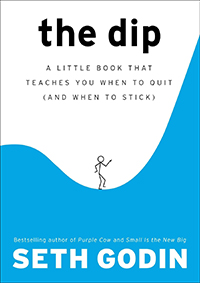
But the thing these younger brands do is they know how to use TikTok for their benefit. But advantage-tasting brands don’t have that recipe. And I think this is sort of like huge, I think what’s his name, speaks about it. Seth Godin speaks about having the beginning boost, and then you have the gap.
Yes, he calls it “The Dip”.
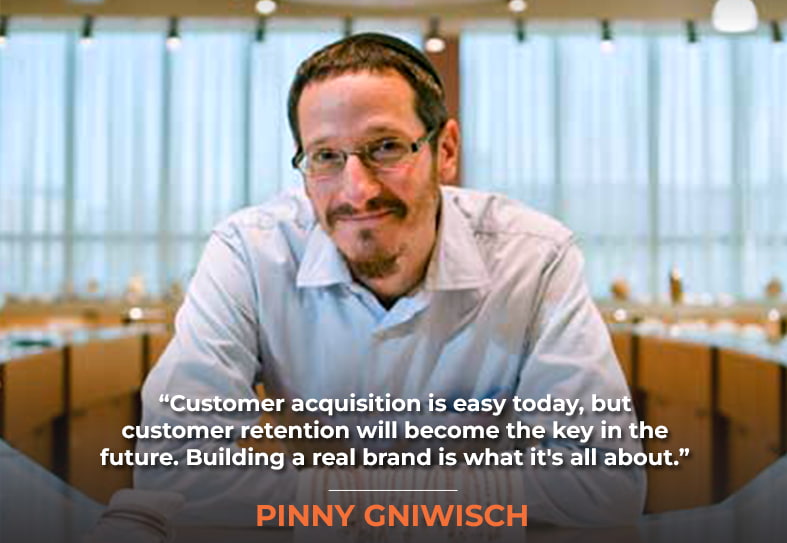
So it’s mining the gap, right? I think the longevity of these companies will prove that building a real brand is what it’s all about. So customer acquisition is low today, but customer retention will become the key going forward. That’s my feeling. So when we have these memes, all these TikTok artists, and all this buzz for 50 minutes, it’s interesting. I had this crazy interaction yesterday. I’m interviewing someone to run our social media, and this girl comes in. She’s young, personable, smart, and she has 600,000 followers on all her platforms.
And I’m like,” So why are you coming to work for me? What’s wrong with your influencer world that you’re in?” She goes, “First of all, it’s exhausting. I’m always having to post, and second of all, it’s not consistent, right? I don’t have enough sponsors and stuff like that, so one month I’ll make a lot. ” One month I won’t.” But I think the third thing she said was the most important. She said, “The brands I’m dealing with are not around for a few weeks, months, or years later.” As an influencer, my client base is not consistent.
The rules of creating a true brand that outlasts. I mean, we’re seeing a lot when you had these pure plays that went online and then decided that they’re going to go offline. A lot of them went out of business, because even though they had a brand, it was the expense of the LTV lifetime value of the customer that they didn’t really tap into, because they were so focused on customer acquisition. I think that’s an interesting lesson for the future.
Did you end up hiring her?
I think I will. My only worry is that she’s going to be gone after a year, but whatever, that’s my challenge of longevity in this position.
Well, certainty doesn’t exist. That’s one of the things I learned in Kabbalah class: there is no such thing as certainty in this realm, in this physical world; the only certainty we can get is from upper worlds, and those are kind of gifted down to us if we merit it, but this, by design, is a world of uncertainty.
So now, if you do hire her, Oh, by the way, this is a great little test. I learned from a friend. I met Sam in a mastermind, and so I want to give him credit for that. It’s called the honesty test, and it’s a great interview question. So I don’t know if you asked something along these lines, but maybe do that with her in a second interview.
The idea is to list five distinct attributes for the job. You ask them to pick the one that they think is the most important and relevant to the position, and because it’s called the honesty test, you know the answer, the only right answer is honesty. So you could say technical acumen, creativity, dedication, attention to detail, whatever, right, so all the other ones don’t matter. It’s the honesty one that you throw in there at some point in the five, and then if they don’t give you honesty as the answer, then they failed that test, and that’s a big warning sign.
So if they think that, “Oh, I’m going to be a personal assistant to Stephan, so I’d better pay attention to detail, because I don’t want to miss anything. And then it costs them, costs my boss an opportunity or a client, or whatever. So attention to detail,” Oops. That’s a problem, because you can’t infuse somebody with honesty. They come with it as a core value, and no talking to them is going to make them honest if they aren’t already wired that way.
Whereas you can teach somebody to be more technically adept or you could teach them to be more creative, what do you think about that?
I like that. I like that a lot.
Yeah, all right, so I know we’re getting close to time here, so let’s talk a bit about favorite books, thought leaders, mentors, and different kinds of resources, like documentaries. What are some of the most influential sources of wisdom?
I just had the book right here, actually reading it as we speak. It’s called “ From Strength to Strength by Arthur Brooks. I really am enjoying it. I don’t know if it’s for all listeners, but it’s definitely for listeners in our age demographic. It’s about reinventing yourself in the second trimester of your life. So I like that a lot.
It’s very inspiring to sort of rejig how one views oneself. And he starts the book off with a story of this couple he overheard, who he recognizes as a man, a very powerful entrepreneur, very successful all his life, and he’s in his 80s, and he hears his wife tell him, “you know you are worth it. Even though you retired, you’re still great,” and that’s what inspired him to write the book.
Success isn’t about amplifying your platform by others’ standards; it’s about how you view yourself and the purpose you bring to life
What happens to someone so successful? How do you sort of pivot in the second stage of your life, or the third stage of your life, to keep the meaning there and purpose? So I think it’s been really interesting for me. Instead of getting the red car as the meaning, right, the Corvette is that one.
Right? So the midlife crisis sports car purchase, right? So what are you specifically, from a practical standpoint, applying from that book in your life, in business, and maybe even in your clients’ businesses?
So, from my perspective, I love what he talks about, and I think I’m implementing that a lot, so that we have acquired knowledge. I’m 54, and I’ve acquired knowledge. I’ve been a student of life. I’ve listened to a lot of smart people, and that knowledge is valuable, and I have made it my mandate to share that right to become a teacher. We spoke about this in the beginning, but this idea that we need to share and teach the next generation, or those who are willing to listen, I think the next generation doesn’t listen a lot. They shout a lot. There’s a lot of shouting happening with no listening.
That, for me, has become one of the things that I’ve been focusing on. And then again, also shifting how we view ourselves from a successful perspective. What is success? Right? So, success before was to build a business. Success before was about amplifying your speaking platform based on other people’s descriptions or criteria for success. And I think rewriting that and then putting on that lens on how you view yourself is, I think, super important, yeah.
When we live in an upside-down world, right? So that’s something that you learn in Kabbalah, that the people at the top are actually at the bottom rungs, and vice versa. And when you’re talking about success, I was like, what are some of the ways that I would view success in this lifetime, zoomed out from a higher perspective?
Creating an empty vessel to learn something you know nothing about is the gateway to discovering deep subcultures and passions.
And the example that came to mind was this: a homeless woman was sitting on a bus bench. I was going about 35 miles an hour down the street when she caught my eye, and I just had this intuitive feeling that I needed to give her money. So I had my family in the car. I managed to pull over, get into a parking lot, walk up to her, and give her money.
And when she smiled at me. She had one tooth, and she smiled with a beaming smile. I knew this woman was actually like an angel, and that this was a test, and I just passed it. I would so it would have been so easy to just fly past like I can’t, like, but, you know, like I’m going 35 miles an hour, and this is a busy intersection, and like, “What do you want from me?” But I did it, and it’s those moments that are the real juice, agreed.
So that’s one of the things I’m doing now. I’m reading a lot of Patterson, who’s unbelievable, The Art of War, the War of Art, something like that.
Yeah, The Art of War is by Sun Tzu, the war, which is also great. Steven Pressfield is the author, yeah, The War of Art, yeah.
Pressfield, there you go. Yeah. Love that book. I gave it to a bunch of people, and I’m actually reading a really good book. Maybe your readers won’t be interested, but maybe you will. It’s called The Shochet. It’s a self-biography of a person who grew up in Ukraine, in the late 1800s, and he writes about life. Still, he writes about it with such clarity, beauty, and color, and that’s why I am enjoying it: you never get to read a biography of a person who is not successful in the traditional sense, right?

He was poor all his life. He was in poverty. He had challenges. And generally, when you read stories like that, they have great endings, and they are novels, but you never read a biography of someone who is actually writing about himself, and there’s no silver lining. He finds the silver lining every single time. And it’s a beautiful story for me, but that’s just what I’m reading.
Interesting, okay? And then any thought leaders, documentaries, or anything you want to point out is really good stuff to check out.
I’m constantly listening to different things. I sort of like listening to different podcasts and always trying to get a deeper understanding of certain subjects. So, for me, it’s always like creating an empty vessel to learn something I don’t know anything about.
So, finding a podcast that talks about specific science that I have no understanding of, and trying to get it, and what I found is that there are so many subcultures that, for instance, I’ve now become a coffee stop. I don’t like to brag about it, but I bought myself a machine that is like a personal burst, the machine with a special grinder, and I go to specialty shops where they roast their own beans for customers.
And this all started during COVID, when I was stuck at home. So I needed a passion. But now I listen to podcasts and YouTube videos on coffee making, and it’s so powerful for me to believe that there’s a huge subculture of people who are into coffee, and it’s just one thing. Now you can have that across the board, and if you want to go. Deep into anything you can do today, I find that fascinating.
Yeah, something GaryVee (Gary Vaynerchuk) recommends is to go after random topics you want to double-click on and create content around, just because you’re passionate about them. You’ve figured out something about, I don’t know, peanuts or whatever, and you’re like, “Wow, this is so cool.” And you create a video about it, and it doesn’t have to be about your industry. It doesn’t have to be about the main theme of what you normally shoot videos about.
This is a different world we live in where algorithms can decide whether you get reach, even if your social network is zero, right? So you can start a new TikTok account and get a viral video within days, without the reach you relied on in the past. It’s a great equalizer.
And I heard a very interesting fact yesterday, yeah, I had a call with one of my customers yesterday, Macy’s, and we were talking about the Macy’s Day Parade, and she was sharing all these facts, like when it started, and then she said something very wild.
Listen to the numbers. Build brands that have longevity by analyzing the right data and optimizing each stage of the funnel.
She said, “Then if a balloon busts and it lands on your property and you bring it back to Macy’s, they’ll give you 100 bucks.” Because she said sometimes it ends up in New Jersey, Pennsylvania, like they have crazy places where the balloon landed, and if you bring it back, you get whatever. So I thought that was a very funny fact.
Okay, cool. All right. So what are we going to leave our listener or viewer with, like, an actionable takeaway they can apply today or tomorrow?
Listen to the numbers. That’s all I can say. That’s my message. My message is we can build brands that have longevity if we’re willing to put the time in and analyze the right things that bring us to the promised land, in your case. So how do we do that? Right? We have all the analytical tools out there that give us insight, and then we read those into the tea leaves to figure out which are the important ones. How do we optimize each stage of the funnel to get the best results?
Awesome. All right. Well, thank you for sharing your amazing journey and all sorts of wisdom nuggets, if our listener or viewer wants to potentially work with you, learn from you, or work for you. Where do they get in touch? How do they find you?
They can find me at [email protected]
All right. Well, thank you, Pinny and thank you. Go out there and make the world a better place. We’ll catch you in the next episode. I’m your host, Stephan Spencer, signing off.
Important Links
Connect with Pinny Gniwisch
Books
Businesses/Organizations
People
Previous Marketing Speak Episode
YouTube Videos
Your Checklist of Actions to Take
- Track impressions before judging product performance. When analyzing whether a product is successful, I first check if customers are actually seeing it. I examine impression metrics, click-through rates, and conversion data before making any decisions.
- Balance AI insights with gut instinct. I use AI to optimize my marketing and speed up analytics, but I don’t let it replace my intuition. The things that worked before AI will continue to work; I simply test more variations faster.
- Create an empty vessel through listening. I practice humility by truly listening to others and, most importantly, to myself. I turn down the scroll on social media and take moments for meditation to empty my vessel and hear that internal voice. This connection to infinity through listening is key not just to business success, but to happiness.
- Prioritize customer retention over acquisition. I focus on building real brand longevity rather than chasing viral moments. Customer acquisition costs may be low today, but I invest in lifetime value (LTV) strategies because customer retention will be the differentiator.
- Maintain unwavering honesty in all dealings. I recognize that deception is a parasite that feeds on negative energy and creates immediate consequences in everything I do. When faced with business decisions, I ask myself whether I’m allowing dishonesty to attach itself or choosing to do the right thing. I avoid the slippery slope by making integrity non-negotiable.
- Control my thoughts, speech, and actions. I focus on controlling my garments – thought, speech, and action – even when my emotions are difficult to manage. In business interactions with employees or partners, I may feel strong internal reactions, but I consciously control how I express myself. This allows my mind to stay above my heart rather than being purely instinctual.
- Transition from student to teacher. I share the knowledge I’ve acquired rather than keeping it to myself. I prepare classes, give them, and then refine them based on students’ challenges – this process refines my understanding and helps me improve.
- Understand digital metrics vs. traditional advertising. I ensure that anyone on my marketing team understands the fundamental difference between conventional and digital marketing.
- Be religious about data from day one. I track every aspect of my digital funnel religiously – from initial impressions through clicks to final conversions. I analyze each stage to optimize results.
- Connect with Pinny Gniwisch. I can reach out to Pinny at [email protected] to discuss business strategy, e-commerce optimization, or data-driven marketing insights.
 About the Host
STEPHAN SPENCERSince coming into his own power and having a life-changing spiritual awakening, Stephan is on a mission. He is devoted to curiosity, reason, wonder, and most importantly, a connection with God and the unseen world. He has one agenda: revealing light in everything he does. A self-proclaimed geek who went on to pioneer the world of SEO and make a name for himself in the top echelons of marketing circles, Stephan’s journey has taken him from one of career ambition to soul searching and spiritual awakening.
Stephan has created and sold businesses, gone on spiritual quests, and explored the world with Tony Robbins as a part of Tony’s “Platinum Partnership.” He went through a radical personal transformation – from an introverted outlier to a leader in business and personal development.
 About the Guest
Pinny GniwischPinny Gniwisch is recognized globally as a great thinker and expert in social media, online marketing and merchandising, and is widely sought after as a speaker on ecommerce and online branding with his warm and engaging speaking style.
Under Pinny’s leadership as a founder and the EVP of Business Development, Ice.com revolutionized the way consumers bought jewelry and the notion of modern e-commerce. As of 2012, Pinny moved over to consulting and has worked with Cirque du Soleil on their ecommerce strategy. He is currently the President of Delmar International on implementing their b2b business strategy.
Pinny is an Adjunct Professor at McGill University in its first ecommerce and social media course, a former board member of shop.org (the National Retail Federation’s (NRF) ecommerce organization), and Founder and President of a non-profit organization







Leave a Reply